
In partnership with


Kids play soccer in front of the fountain at Chelsea Square during a Fiesta Fútbol watch party, many wearing their favorite national team jerseys. (Photo by Rosanna Marinelli/The Latino Newsletter)
Editor’s Note: Para la versión en español de este artículo, visita El Planeta.
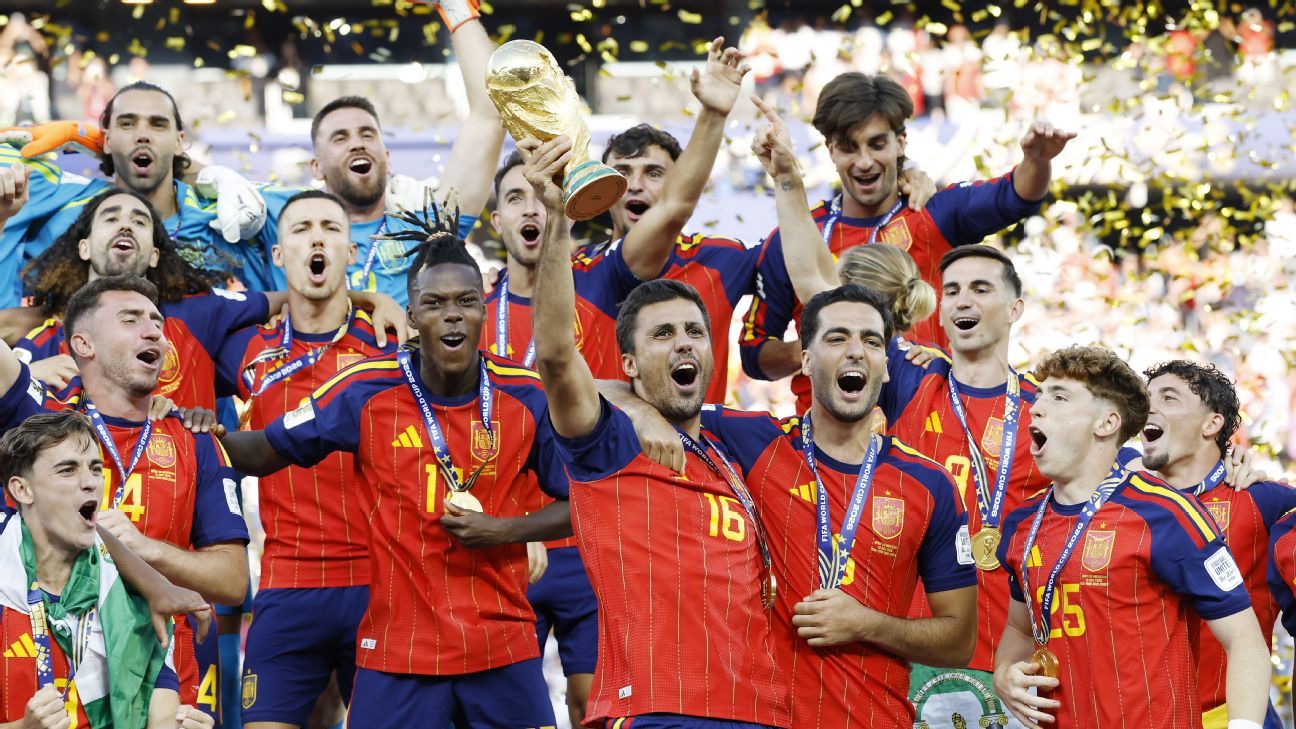
Spain defeated Argentina on Sunday to win the World Cup, closing out the global tournament in North America that left a measurable economic mark across the Boston area, which hosted seven games.
The city of Chelsea, which sits right next to East Boston, was one of the clearest examples of that impact.
On one of the summer nights when the eventual World Cup champion played, Jackie, a youth ambassador for Chelsea's Fiesta Fútbol Fan Festival, counted about 30 people waiting in line for horchata in Chelsea Square.
For a stretch of downtown where Latino-owned businesses had lost foot traffic over the previous two years, it was a notable change.
On another World Cup night, when Colombia played Portugal, Luis Restrepo fired up his pizza trailer's oven for the first time at a Chelsea event, hoping the crowds would wander over.
Neither Jackie nor Luis was watching the match up close, but both were watching what came with it: crowds larger than either had expected.
Across Greater Boston, bars and restaurants saw spending rise 28% during the tournament's first two weeks, the sharpest increase of any World Cup host city in the country. Boston also piloted “social districts” and extended last calls at some bars and restaurants to accommodate the crowds.
According to the Healey-Driscoll Administration, 447,283 fans attended the World Cup matches held in Massachusetts, while the 16-day FIFA Fan Festival at Boston City Hall Plaza welcomed 160,000 visitors from 108 countries.
What started as a series of World Cup watch parties grew into something much bigger. Fiesta Fútbol became more than a celebration of soccer — it gave Chelsea an opportunity to introduce itself to thousands of visitors and showcase the city as a place where culture, community, and celebration come together. With the tournament now over, city officials hope that sense of connection will become its most lasting legacy.
The Comeback of Soccer Culture
For Charles Giuffrida, Chelsea’s Director of Athletic Infrastructure, the impact of Fiesta Fútbol on youth sports feels less like a sudden boom and more like the push the city needed to rebuild something it once had but lost.
Chelsea previously had a recreational soccer league. Now, the city is working to bring it back. Along the way, the watch parties became, somewhat unexpectedly, a pipeline for new volunteers: two people approached him interested in becoming referees, another wanted to help as a coach, and another simply wanted to get involved, even though they were not yet sure how.
He also noted that even in a city where, by his estimate, 94% of residents already play soccer, Fiesta Fútbol helped bring more people into the sport. He compared the moment to Boston’s brief Olympic-driven interest in curling, when a wave of curiosity introduced new participants to the game. Now, even children who had never played soccer are getting involved.
“It’s not been transformational, but it’s been a huge impact,” he said, pointing especially to youth sports.
The Economic Side
Omar Miranda, a civic designer for the city, tracked a different measure of impact: the number of people who walked into Chelsea’s downtown businesses. He estimated that hundreds of visitors — including tourists from Scotland and Germany who stayed specifically for the matches — came through local establishments during the best-attended games.

Charles Giuffrida, Chelsea's Director of Athletic Infrastructure, and Omar Miranda, a civic designer for the city. (Photo by Rosanna Marinelli/The Latino Newsletter)
Jackie said the crowds also created opportunities for informal vendors and food trucks, with about five vendors setting up during some of the most popular games. Home cooks sold traditional dishes, ice cream carts, and fruit vendors lined the square, local salsa and Mexican bands performed, and even a neighborhood print shop began creating custom Fiesta Fútbol T-shirts.
The city made one priority clear: Chelsea businesses came first. Restaurants and bars around Chelsea Square participated with no additional fees, while food trucks from farther away paid a modest vendor fee, with higher rates for businesses based outside the city.
“We wanted to prioritize our Chelsea businesses,” said Delia Harrington, Chelsea’s manager of Arts, Culture and the Creative Economy. Working alongside city staff, the Chelsea Chamber of Commerce recruited vendors that reflected the city's diversity. The result, Harrington said, felt less like a festival and more like a neighborhood block party, where visitors could sample Central American, Caribbean, Haitian and East Asian cuisine — all within a short walk of the watch parties.

A local Mexican business served traditional horchata, chicharrón and other favorites to Fiesta Fútbol attendees. (Photo by Rosanna Marinelli/The Latino Newsletter)
The reach extended beyond Chelsea's own businesses. While the city prioritized local vendors, it also opened its mobile vendor program to businesses from neighboring communities, including Boston, Revere, and Everett. One regular participant was a Boston-based pizza trailer.
"We wanted to activate the food truck and vendor scene, and honestly, not everyone in Chelsea has that kind of business," Miranda said. "We also opened the doors because we're all family, and we have to share the fruits of our community's work."
Luis Restrepo runs Místico Pizzería with his cousin, Julissa — a Colombian-owned food trailer serving Neapolitan-style pizza just outside Chelsea in Boston. They joined Fiesta Fútbol after being contacted directly by City Hall.
"We want to grow the business and get our name out there," he said. "Events like this give small businesses new opportunities to show who they are, so the community can learn about what they offer."

Luis Restrepo, alongside his cousin Julissa, work the window of their Místico Pizzería trailer during Fiesta Fútbol at Chelsea Square, both wearing Colombia national team jerseys. (Photo by Rosanna Marinelli/The Latino Newsletter)
What the Engine Leaves Behind
Both Giuffrida and Miranda expect the momentum to outlast the World Cup. Miranda says residents feel more comfortable being out and participating in public events, crediting the city's safety work. Chelsea's movie nights and Día de los Muertos event continue, and officials are already planning for the Women's World Cup.
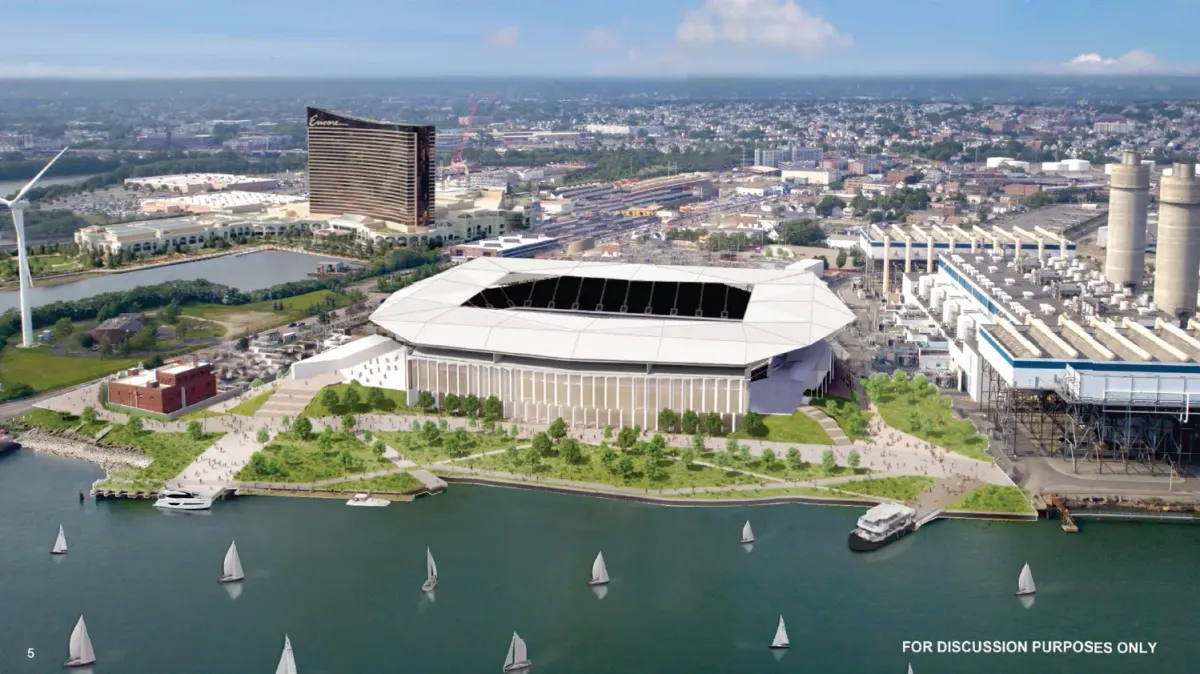
For Giuffrida, the revival is personal. The World Cup gave Chelsea's soccer culture the push it needed, inspiring a new generation of coaches, referees, and volunteers to help rebuild the city's youth soccer system. The renewed enthusiasm comes as the New England Revolution prepares to open its new stadium in neighboring Everett — less than three miles from Chelsea Square.
“It’s just been incredible to meet a ton of people who love Chelsea and love soccer,” Giuffrida said.
Rosanna Marinelli is a multimedia correspondent for The Latino Newsletter and the News Editor at El Planeta.
This edition cost us $200 to prep, edit, and produce, and instead of hiding behind a paywall that blocks the complete piece, we keep it free and accessible. Give now to keep us available to all. Any amount will help!
And Now a Word From Our Sponsor
Wish your car insurance was pricier? Didn’t think so.

Find out if another carrier could offer you a better rate. Compare your offers all in one place and get your best rate on LendingTree. Just answer a few questions and get your quotes in a matter of minutes.
What We’re Reading
Proposed Birthright Citizenship for Territories Act: A new bill proposed by U.S. Congressman Morgan Griffith (R-VA) where he proposes the following: “Because of the current birthright laws in place in the territories, any child born in a U.S. territory (minus American Samoa), regardless of a parent’s nationality, accesses U.S. citizenship automatically. I am leading a bill to crack down on birthright citizenship in the territories and combat foreign nationals who are exploiting loopholes in our citizenship laws to take advantage of U.S. generosity. This way, you have to be born to a U.S. citizen or legal permanent resident to have American citizenship in the territories! While this change is limited to the territories, it is the only step we can currently take to protect U.S. citizenship.”
Another example of why The Latino Newsletter is producing American Colony in the first place?

Julio Ricardo Varela edited and published this edition of The Latino Newsletter.
Consider donating to The Latino Newsletter. Any contribution, no matter how small, helps keep this newsletter free and accessible to all. ¡Gracias mil!