

A “Protect Our Neighbors” sign in front of “The Embrace” in downtown Boston. (Photo Courtesy of MIRA Coalition)
Editor’s Note: Para la versión en español de este artículo, visita El Planeta.

For immigrants in detention, having a lawyer can mean the difference between staying in the United States and being deported.
The American Civil Liberties Union (ACLU) notes that immigrants in detention are 10 times more likely to win protection from deportation when they have legal representation. Yet because immigration proceedings are classified as civil cases, the federal government does not guarantee attorneys for those who cannot afford one, leaving thousands to navigate a complex legal system alone.
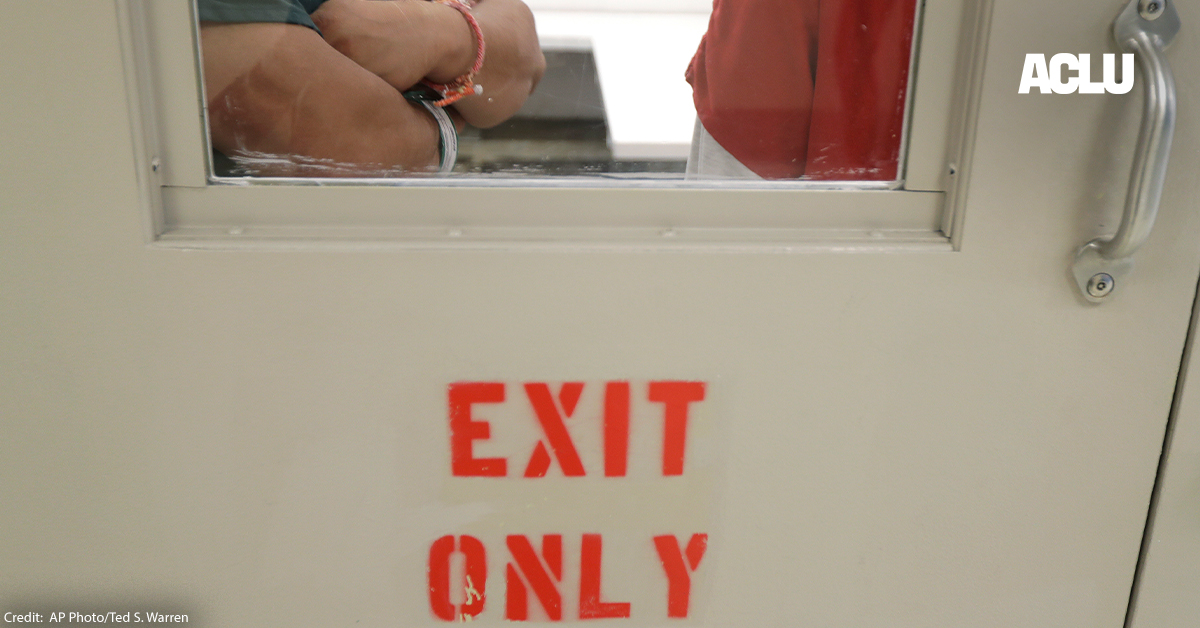
Now, Massachusetts has stepped in, providing funding for the state’s first statewide, publicly supported program to offer legal representation for immigrants facing deportation.
In Boston, U.S. Immigration and Customs Enforcement (ICE) arrests at local courthouses have increased in recent years, particularly during the second Trump administration. According to trial court data reported by GBH News, at least 54 ICE arrests took place at Boston municipal courthouses in 2025, with an additional arrest at the East Boston courthouse in early 2026.

For Boston City Councilor At-Large Henry Santana, the current climate underscores the urgent need for legal resources, especially to support the city’s Latino communities.
“People still need greater access to lawyers,” he told The Latino Newsletter. “I see it every week — sometimes even every day — through calls from families seeking legal representation or information about available resources.”

Boston City Councilor At-Large Henry Santana (Photo by Rosanna Marinelli/The Latino Newsletter)
To address this gap, the Massachusetts Immigrant & Refugee Advocacy (MIRA) Coalition, New England’s largest immigrant rights and advocacy organization, launched the Massachusetts Access to Counsel Initiative (MACI), the first statewide, publicly funded legal defense program of its kind in the state, which received nearly 200 intake requests in its first weeks.
“This program helps people who need legal representation and often do not have the resources to pay for an attorney,” Stephanie Rosario Rodriguez, MIRA’s program director, said. Rodríguez, a native of Puerto Rico, has lived most of her life in Massachusetts and has spent years working with immigrant communities.
First of Its Kind
The initiative is funded through a $5 million appropriation in the fiscal 2026 state budget, championed by Rep. Frank Moran (D-Lawrence), Rep. David Rogers (D-Cambridge), and Sen. Adam Gómez (D-Springfield).
“This funding is a clear signal that Massachusetts is committed to protecting immigrants and ensuring due process,” Elizabeth Sweet, MIRA’s executive director, said.
The program’s structure draws inspiration from the Immigrant Legal Defense Act, filed earlier this year in the state legislature (S.1127 by Gómez and H.1954 by Moran and Rogers), which aims to make legal representation for immigrants permanent in Massachusetts.
“One of the key ways to fight back is to ensure that no immigrant has to defend their life, liberty, or family without a lawyer,” Carol Rose, executive director of the ACLU of Massachusetts, said. The state will work in collaboration with partners, including the ACLU, to carefully screen applicants and assign them to qualified attorneys.
How the Program Works
Individuals seeking legal assistance can call the centralized MACI hotline to complete an initial intake, which typically takes 15 to 30 minutes. MIRA attorneys review the information and, if the applicant is eligible, refer them to a contracted legal partner for a consultation, subject to availability.
If the line is busy, callers are advised to leave a voicemail with their name and phone number and will receive a callback within one business day. Detained individuals should provide the contact information of a trusted family member who can be reached on their behalf.
“After the initial call, the attorney contacts the individual or their family to discuss legal options and next steps,” Rodriguez explained. “The entire process is free. Families do not have to pay for attorneys, which is critical when some people spend tens of thousands of dollars trying to hire counsel on their own.”

Stephanie Rosario Rodriguez, Senior Director of Programs at MIRA Coalition. (Photo by Rosanna Marinelli/The Latino Newsletter)
MIRA organizers emphasized that the program is confidential, and no personal information is shared with the federal government. Only aggregate data, such as the number of calls or cases handled, is reported to the state, without names or immigration status.
Consultations are offered in person, online, or by phone, depending on the client’s circumstances. And services are available in Spanish, French, and other languages, either through bilingual attorneys or professional interpretation lines.
Who Is Eligible
The program serves immigrants who:
Are detained or not detained and involved in removal proceedings.
Have a connection to Massachusetts through residence, work, or a case tied to the state.
Meet low-income requirements, generally around 125 percent of the federal poverty level — roughly $19,500 for an individual or $40,000 for a family of four.
Applicants detained in another state may also qualify if they have a Massachusetts connection. The initial intake requires only basic contact information, family income, and immigration case numbers. Attorneys provide a full list of documents needed for the consultation after the intake process.
A Potential Model
MIRA sees MACI as a potential model for other states seeking to expand legal representation for immigrants.
That broader vision is echoed by labor leaders, including Dave Foley, president of the SEIU State Council, which represents more than 140,000 Massachusetts workers. Foley emphasized the importance of states ensuring access to legal representation.
“Immigrant workers from all backgrounds — one in five of whom are essential workers — exemplify this hope and are vital to our nation’s progress,” he said, underscoring that protecting their rights benefits everyone.
Rosanna Marinelli is a multimedia correspondent for The Latino Newsletter and the News Editor at El Planeta.
The Latino Newsletter is a 501(c)(3) nonprofit organization. Help us reach our $50,000 goal to fund our podcast’s third season and to offer more opportunities for journalists to file their stories without paywalls or paid subscriptions.
What We’re Reading
January 20 Marches: Thousands of Americans across the country participated in a “Free America Walkout” on Tuesday, January 20, marking year one of the Trump administration’s first year in his second term in office, drawing thousands across the country to protest the president’s immigration policies, including immigration-enforcement actions by ICE. Demonstrations took place in cities including Washington, D.C., Los Angeles, Miami, and New York. In Arizona, hundreds of high school students walked out of class to protest immigration enforcement and express concern about deportations affecting their families, according to local reporting by 12News in Phoenix.

Twin Cities Restaurants: Restaurants across the Twin Cities are reeling to change the way they operate as increased immigration enforcement activity fuels staffing shortages, customer fear, and plummeting sales. According to the Minnesota Star Tribune, owners report that they’re now locking doors, cutting operating hours, shifting to takeout-only service, and other measures that many liken to the early days of the COVID-19 pandemic. At Marna’s Eatery and Lounge in Robbinsdale, for example, owner Rolando Diaz tells the daily many of his mostly Latino employees are afraid to come to work, forcing him to play multiple roles.

Serena Maria Daniels edited and published this edition of The Latino Newsletter.
Consider donating to The Latino Newsletter. Any contribution, no matter how small, helps keep this newsletter free and accessible to all. ¡Gracias mil!