
Sponsored by


La CASA (Photo courtesy of IBA)
Editor’s Note: Para la versión en español de este artículo, visita El Planeta.
BOSTON — In 1968, Puerto Rican activists in the South End organized to stop the city from displacing them. Their rallying cry — “¡No nos vamos!” — became the foundation of Villa Victoria and Inquilinos Boricuas en Acción (IBA), a community development corporation that has anchored the neighborhood for more than 55 years.
Now IBA is opening La CASA: the Center for the Arts, Self-determination and Activism, a $33 million cultural center opening this Friday, May 15. It is the largest Latino cultural center in New England.
For long-time residents like Rosa González, La CASA represents the continuation of a story that began before she was born — a decision to stay, not to leave, and to build community.
“When my mother came from Puerto Rico, Puerto Ricans felt comfortable here,” González told The Latino Newsletter and El Planeta. “That’s very important to me, that Puerto Rican culture and presence remain active here.”
IBA has been at the forefront of affordable housing, arts programming, and education in Boston. The organization currently owns and operates 667 affordable housing units, serving families with an average annual income below $30,000.
La CASA will bring all of IBA’s operations under one roof for the first time, consolidating property management and expanding access to essential services. The 26,000-square-foot space is projected to serve more than 2,500 individuals annually through resident services, youth development, and financial education, while an additional 5,000 people are expected to benefit from its arts programming.
“We want to dedicate an entire section to that history of the community. So in the future, when we’re no longer here to explain it, anyone who walks through these doors will be able to learn and appreciate the history of this site and its importance for our community and for generations to come,” IBA CEO Vanessa Calderón-Rosado said.

Vanessa Calderón-Rosado, IBA CEO, emphasized the importance of preserving the site’s community history so future generations can understand its significance. (Photo by Rosanna Marinelli/The Latino Newsletter)
Looking Inward and Outward
The four-story structure was designed by local firms Studio Enée and Annum Architects, with the community involved from the very beginning of the process — helping define what was needed, what they wanted to see, and how the space should feel.
One of the most visible design choices is transparency. The ground floor features floor-to-ceiling glass walls.
“We wanted people walking by the street or crossing the park to be able to look inside and feel curious about what’s happening,” Calderón-Rosado said.
The goal was for the building not to turn inward on itself, but to remain open and inviting.
In that sense, the hall’s folding glass doors open fully to the outside, connecting the space with the municipal park next to Villa Victoria. In the summer, La CASA plans to reactivate the Tito Puente concert series in collaboration with Berklee College of Music and the City of Boston, with an outdoor stage and the hall open to the public.
Outside, vertical terracotta panels in red and ochre tones wrap the façade. The choice was intentional, blending the brick architecture of the historic South End with the brise-soleil — concrete shading elements commonly found in Caribbean architecture from the 1940s and 1950s.
“Our lead architect is Puerto Rican,” Calderón-Rosado said. “We wanted to bring elements of the Caribbean and Puerto Rico into the design.”
Mayra I. Negrón-Roche, IBA’s director of operations, explained that the building was designed not just for current needs, but with long-term growth and sustainability in mind. As she noted, the organization has expanded significantly over the years — from a small team of about 18 to 20 staff members to more than 50 today.
“The design has to be able to grow with us,” she said.
A Home for Culture
Calderón-Rosado said the vision behind La CASA is rooted in continuity.
“We hope what we’ve built will be carried into the present and the future, that the next generation of artists, activists, and leaders will continue this work long after we’re gone,” she said. “That’s what this space represents: a torch being passed forward.”
Upon entering La CASA, visitors see the Futuro en Acción (“Future in Action”) mural, which covers an entire wall on the building’s first floor.
Artist Alvin Colón was just 11 years old when a Boston art teacher, Ms. Jamie, first pulled him away from the streets and told him that what he was creating on walls had value. That early encouragement set him on a path to becoming the artist who painted Futuro en Acción.

Artist Alvin Colón’s mural Futuro en Acción covers a first-floor wall and highlights the neighborhood’s resilience and community spirit. (Photo by Rosanna Marinelli/The Latino Newsletter)
Colón completed the mural in about a week and a half, working in acrylic and spray paint as residents, youth, and elders from the neighborhood watched him paint in real time.
The piece reflects both his personal journey and the community’s history — bringing together Puerto Rican identity, Caribbean roots, and moments of organizing in Villa Victoria, including the 1968 protests. It stands as both a visual timeline and a tribute to the neighborhood’s resilience, rooted in the idea that art and community are deeply connected.
“I wanted to create something everlasting, just like La CASA,” he said. “Art like this connects directly to the community.”
La CASA aims to be a space where IBA can adapt to present-day needs while continuing to serve the Latino community and the broader public. Its programming for the rest of the year already includes 35 events running through December.
Rosanna Marinelli is a multimedia correspondent for The Latino Newsletter and the News Editor at El Planeta.
The Latino Newsletter is a 501(c)(3) nonprofit organization, and we are turning 2 years old in May! Help us with our birthday campaign by giving here.
And Now a Word From Our Sponsor
Are You Ready to Actually Retire?

Knowing when to retire is harder than knowing how much to save. The timing depends on what your retirement actually looks like: how long your money needs to last, what you'll spend, and where your income comes from.
When to Retire: A Quick and Easy Planning Guide is built for investors with $1,000,000 or more who are ready to move from saving to planning. Download your free guide and start working through the details.
What We’re Reading (and Watching)
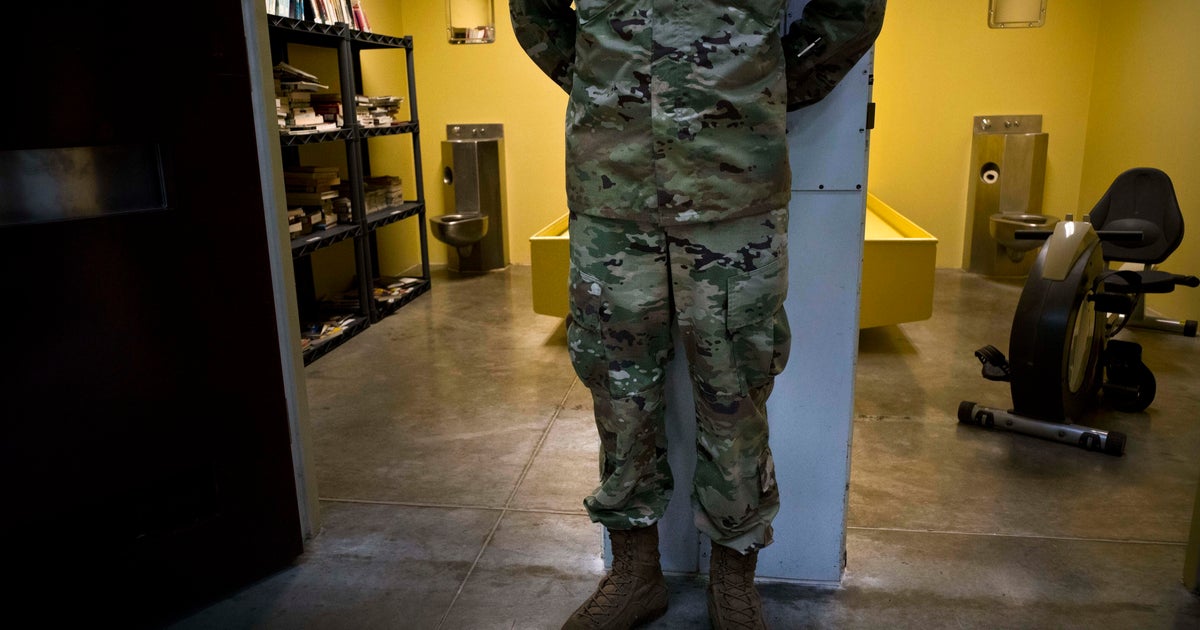
Empty Guantanamo: From Camilo Montoya-Galvez at CBS News. “On May 11, the U.S. government was holding just six immigration detainees at the Guantanamo Bay Naval Base, all of them nationals of Haiti, according to federal documents obtained by CBS News. Over the past year, the documents show, 832 immigration detainees have been transferred to the base on more than 100 flights.”
Jazmine Ulloa on The Latino Vote: The latest episode of The Latino Vote Podcast features New York Times reporter Jazmine Ulloa, author of El Paso: Five Families and One Hundred Years of Blood, Migration, Race, and Memory.
Julio Ricardo Varela edited and published this edition of The Latino Newsletter.
Consider donating to The Latino Newsletter. Any contribution, no matter how small, helps keep this newsletter free and accessible to all. ¡Gracias mil!