

Grammy- and Latin Grammy-nominated artist Rodney Alejandro, who serves as Dean of Professional Writing and Music Technology at the Berklee College of Music, is helping lead the development of the course. (Photo by Rosanna Marinelli/The Latino Newsletter)
Editor’s Note: Para la versión en español de este artículo, visita El Planeta.
BOSTON — Across Latino communities in the United States, the first week of February 2026 has taken on a new meaning: it’s Bad Bunny Week.
He’s picked up a historic Album of the Year Grammy win for an entirely Spanish-language album, and this Sunday, he will make history again when he headlines the Super Bowl LX halftime show — the first Latino to perform in the show fully in Spanish.
Now, one of the country’s most influential music schools is responding to what’s led to this moment. This spring, Berklee College of Music will launch its first-ever Spanish-language online course focused on music production, aimed at expanding access to professional training for Spanish-speaking musicians worldwide.
Latin Beats for Everyone
“It really comes down to how universal music is,” said Rodney Alejandro, whose credits include Grammy- and Latin Grammy–nominated projects across multiple genres, as well as Billboard’s 2004 Latin Pop Album of the Year.
As Dean of Professional Writing and Music Technology at Berklee College of Music, Alejandro has witnessed production standards shift from highly region-specific approaches to more globalized ones, shaped by genres such as Latin music, K-pop, and Afrobeats that resonate with audiences worldwide.
Bad Bunny is a striking example. When he announced his Super Bowl performance in September, on-demand streams of his music in the United States jumped by 26 percent, soaring from 173 million nine days before the announcement to 218.5 million in the eight days that followed, according to industry data and analytics firm Luminate.
For Alejandro, that growth points to the role production plays in helping Spanish-language music travel across audiences. High-quality production, he said, “helps those who don’t speak the language feel the music.” Because production techniques are widely shared across genres, artists can connect with listeners without having to change the language or cultural roots of their work. Allowing listeners to connect with a song even when they don’t understand the lyrics makes it possible for artists to reach global audiences without changing their language or cultural reference points.
The New Course
That philosophy of universality is shaping Berklee’s newest initiative. This April, the school will launch Fundamentos de Producción Musical para Compositores, a translated and adapted version of Music Production Fundamentals for Songwriters.

The 12-week program, open to the public to enroll, is designed to expand students’ access to professional music production techniques and tools to help shape the next generation of Spanish-speaking musicians and industry professionals.
For Ale Gil, a sixth-semester music business student and Vice President of the school’s new Latin Management Berklee Club, the timing couldn’t be better.
“We have students from all over Latin America — Mexico, Brazil, Colombia, Chile, Venezuela, Ecuador, Peru,” she said. “There’s a huge community here. This course really opens doors for them.”

Ale Gil, a music business student at Berklee College of Music and Vice President of the college’s Latin Management Berklee Club. (Photo by Rosanna Marinelli/The Latino Newsletter)
Gil said offering the course in Spanish helps students access professional training without having to work around language barriers, and explained that many aspiring musicians around the globe do not speak English, which has historically limited access to Berklee’s online programs. Offering the course in Spanish allows students to develop professional production skills and pursue their music dreams without that obstacle, at a moment when Spanish-language artists like Bad Bunny are reaching unprecedented audiences.
“The principles of production are the same no matter the language,” Alejandro said. “It’s a technical skill. Once you understand the tools and the process, the language doesn’t matter.”
Berklee plans to use the production course as a foundation for expanding similar Spanish-language instruction in areas such as arranging, performance, and composition.
For now, Berklee’s program aims to open doors for international students to fully engage with the global music industry.
The course lands at a moment when Spanish-language music is shaping the global industry on its own terms.
Rosanna Marinelli is a multimedia correspondent for The Latino Newsletter and the News Editor at El Planeta.
The Latino Newsletter is a 501(c)(3) nonprofit organization. Help us reach our $50,000 goal to fund our podcast’s third season and to offer more opportunities for journalists to file their stories without paywalls or paid subscriptions.
What We’re Reading
Not a Domestic Terrorist: Marimar Martinez, the Chicago woman shot five times by a U.S. Border Patrol agent last October, traveled to Washington this week to testify before members of Congress. In her testimony, she recounted a heated, prolonged exchange with Border Patrol agents on October 4 in the city’s Brighton Park neighborhood.

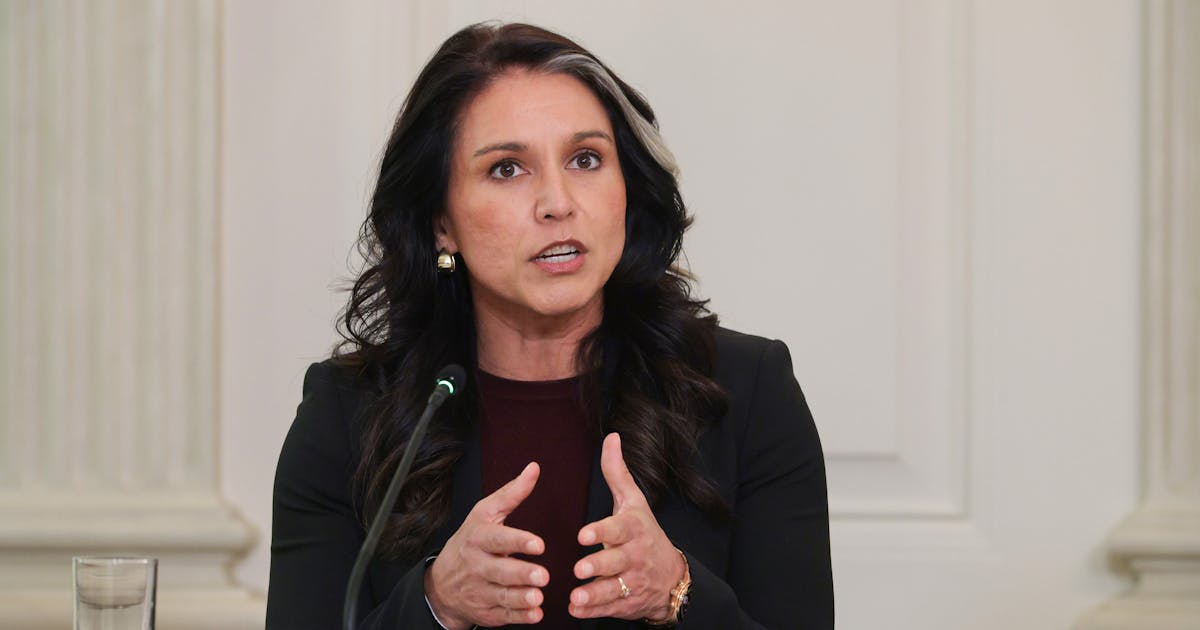
Puerto Rico Voting Machines: From The New Republic, “Tulsi Gabbard somehow thinks that there is a matter of national security involving voting machines in Puerto Rico. Reuters reports that the director of national intelligence sent a team to the U.S. territory in May to investigate voting machines as part of claims that Venezuela hacked them. The investigation ultimately did not produce any evidence for that claim, unnamed sources told the publication.”
Serena Maria Daniels edited this edition of The Latino Newsletter. Julio Ricardo Varela published it.
Consider donating to The Latino Newsletter. Any contribution, no matter how small, helps keep this newsletter free and accessible to all. ¡Gracias mil!