

Puerto Rico Police Officers assigned to the Joint Forces of Rapid Action and U.S. Airmen from the 156th Security Operations Squadron participate in Advisor Edge at Roosevelt Roads, Ceiba, Puerto Rico, June 8, 2023. (Photo by Master Sergeant Rafael D. Rosa. Source: Public Domain)
SAN JUAN — Although the Puerto Rico Police Department received more than a quarter-million dollars between 2022 and 2024 from a little-known border security grant, it failed to respond to a records request for documents related to the grant, prompting me to file a mandamus lawsuit against the department on Monday.
The lawsuit, filed in Puerto Rico’s Court of First Instance under the Puerto Rico Transparency Law (141-2019), seeks to force the Police to comply with the records request. The records are documents related to Operation Stonegarden (OPSG), a Federal Emergency Management Agency (FEMA) grant program that provides funding to “improve overall border security.” The records request asked for a tranche of documents, such as daily activity reports, equipment purchases, training materials, and policies for referring arrestees to federal agencies, from fiscal years 2018 to 2025.
The records request was initially filed on February 19, and the Puerto Rico Police failed to respond by the deadline imposed by the Transparency Law. Following the archipelago’s transparency portal showing the agency had invoked “administrative silence,” lawyers from the American Civil Liberties Union of Puerto Rico filed the lawsuit on my behalf.
“We are talking about information regarding the use of public funds, coordination with federal agencies, equipment acquisition, and civil rights safeguards. This information does not belong to the agency, but to the country,” Fermín Arraiza Navas, legal director of the ACLU of Puerto Rico, stated in a press release. “The law does not allow an agency to simply remain silent, let the deadline expire, and treat access to the information as if it were optional.”
Although the program is run under FEMA, OPSG is meant to support cooperation and coordination among Customs and Border Protection (CBP) and law enforcement agencies that receive the grant, per federal documents. While the law enforcement agencies are meant to “utilize their inherent law enforcement authorities to support the border security mission,” they do not receive any additional authority by participating in OPSG. The program provides around $90 million annually to state, local, and tribal law enforcement agencies.
When it comes to the Puerto Rico Police, the funds are assigned to the Joint Forces for Rapid Action (FURA, in Spanish), according to a DHS document. The unit patrols the waters around Puerto Rico, commonly seen stopping undocumented migrants from entering Puerto Rico by boat and participating in drug interdictions. Between 2021 and 2024, FURA participated in 178 incidents involving immigrants and identified 714 immigrants in these incidents.
Funds from OPSG are typically given to individual states and territories, then handed to participating law enforcement agencies or municipalities. In Puerto Rico, Aguada, Aguadilla, Añasco, Barceloneta, Cabo Rojo, Camuy, Carolina, Isabela, Manatí, Ponce, San Juan, Toa Baja, and Yauco receive funds from OPSG, according to a 2024 OPSG report. Following Aguadilla declaring itself a sanctuary city, the Department of Public Security threatened to take away the municipality’s OPSG funding, but that never happened.
In total, Puerto Rico received $1,069,643 from OPSG in fiscal year 2024.
The Latino Newsletter is in the process of sending records requests about OPSG to these 13 municipalities. The Latino Newsletter has already submitted Freedom of Information Act (FOIA) requests to FEMA, CBP, and DHS for information about Puerto Rico’s participation in OPSG.
The lawsuit was filed by attorneys Fermín L. Arraiza Navas, Lolimar Escudero Rodríguez, and Annette Martínez Orabona of the ACLU of Puerto Rico.
Carlos Berríos Polanco is a journalist from Puerto Rico who covers climate, conflict, and their intersection. He is also the Deputy Editor of The Latino Newsletter’s San Juan Bureau.
The Latino Newsletter is a 501(c)(3) nonprofit organization. Help us reach our $100,000 goal to fund our podcast’s third season and to offer more opportunities for journalists to file their stories without paywalls or paid subscriptions.
What We’re Watching and Reading
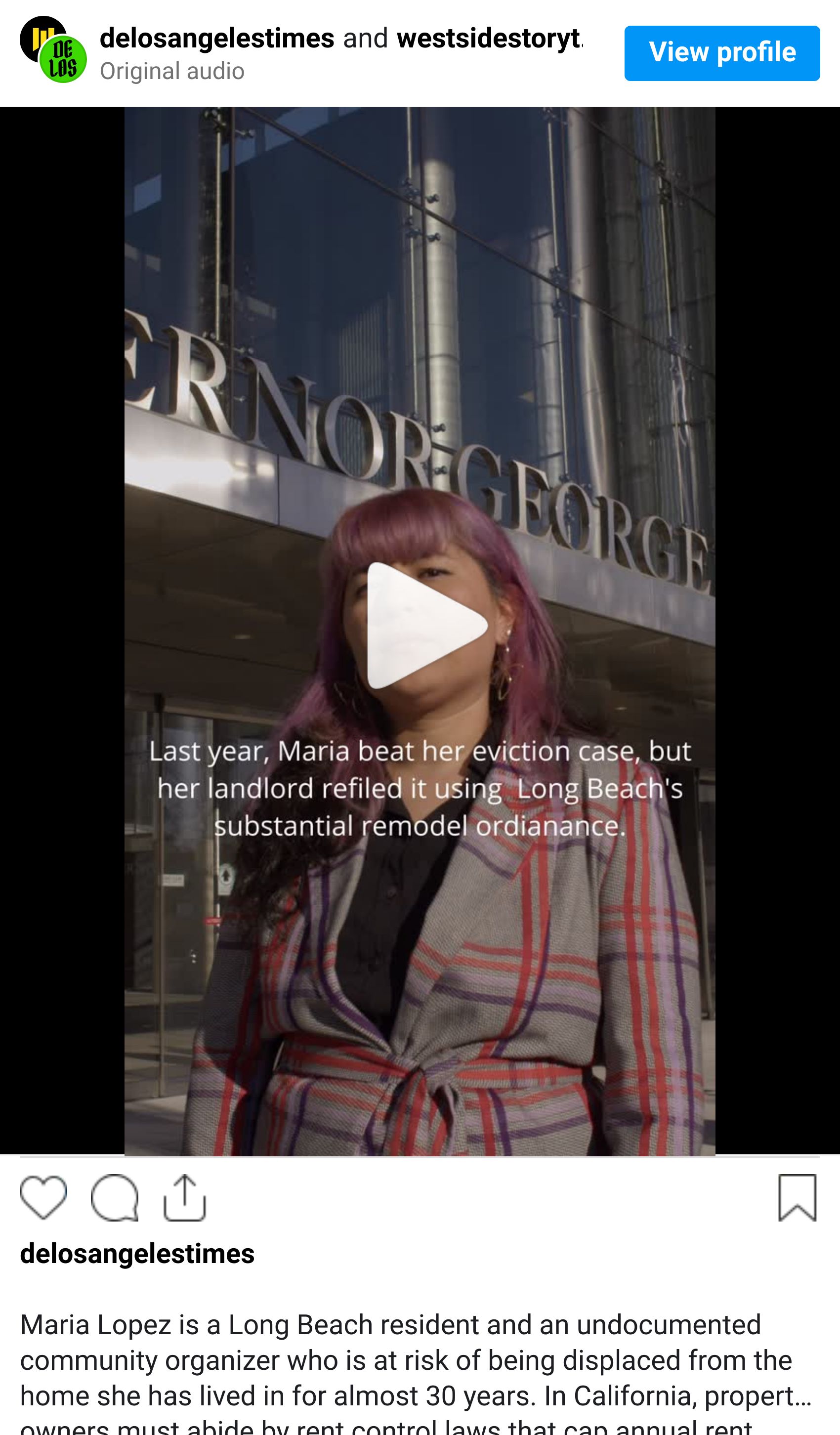
Tenants in Long Beach Under Threat: For De Los, in collaboration with West Side Storytellers, The Latino Newsletter podcast host Michelle Zacarias reports on the threats tenants in Long Beach, California, face as landlords try to push them out. Michelle interviewed tenants who are under threat of eviction and fighting for secure, stable housing.
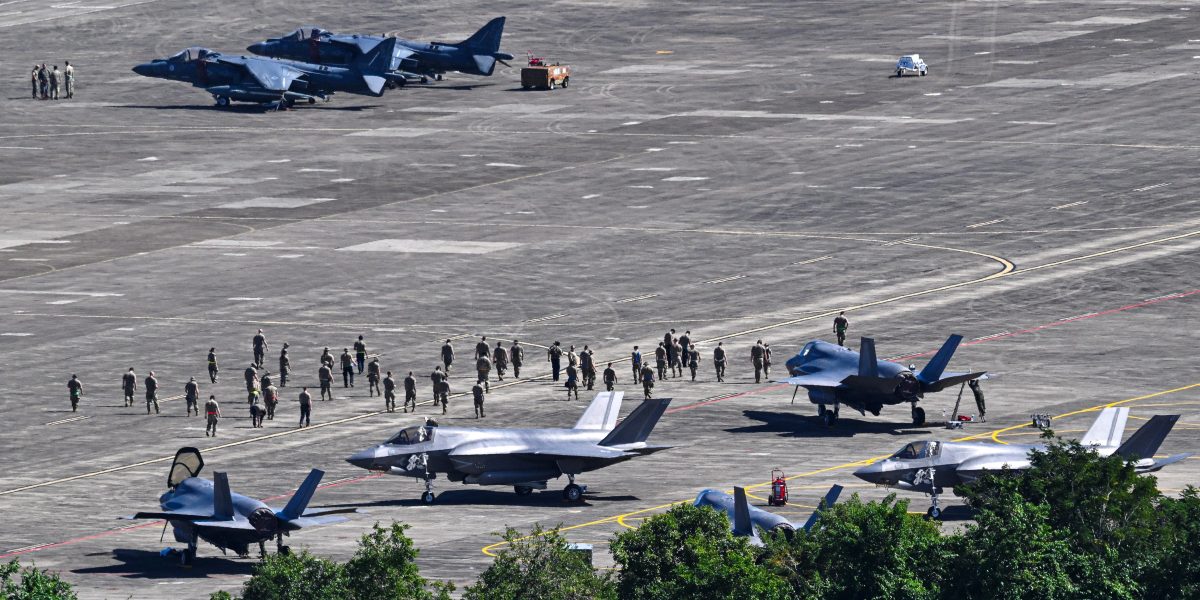
Billions for War: From The Intercept, President Trump has already spent $4.7 billion on U.S. military intervention in Venezuela and attacks on boats in the Caribbean and Eastern Pacific, according to an analysis from Brown University’s Cost of War Project. However, researchers assert that their estimate is almost assuredly an undercount and that bigger spending might still be on the horizon.
Julio Ricardo Varela edited and published this edition of The Latino Newsletter.
Consider donating to The Latino Newsletter. Any contribution, no matter how small, helps keep this newsletter free and accessible to all. ¡Gracias mil!