
In partnership with


MIAMI — In a matter of months, the United States and Cuba have moved from cold, decades-old hostility to the edge of something far more consequential. A deliberate fuel blockade, criminal charges against a face of the Cuban Revolution, reports of hundreds of military drones, and a nuclear-powered aircraft carrier now patrolling Caribbean waters have combined to produce the most serious threat of U.S. military action against the island in more than 60 years.
For the roughly 10 million people living in Cuba — and the millions of Cuban Americans watching anxiously in the U.S. —the question is no longer whether Washington is squeezing Havana. The question is what happens next.
So how did we get here?
The Venezuela Domino Effect
The current crisis traces its roots to the early hours of January 3, 2026, when U.S. forces launched a military operation in Caracas and seized Venezuelan President Nicolás Maduro. The Trump administration put new sanctions on Cuba almost immediately after, as Maduro had been a longtime Cuban ally. The move was devastating for Havana in a very practical sense: Cuba had been heavily dependent on oil from Venezuela (at times selling discounted oil to China for much-needed cash), and the island was effectively cut off from that supply by the U.S.
On January 29, President Trump issued an executive order imposing tariffs on any country that exported oil to Cuba. Mexico, Cuba’s second-largest supplier, soon followed Venezuela out the door. The Cuban government was forced to enact emergency measures to address widespread fuel shortages, and the consequences quickly turned into island-wide blackouts, at times lasting up to 22 hours a day, leading hundreds of Cubans to take to the streets in protest.
Secretary of State Marco Rubio — a Cuban-American and the architect of much of the Trump administration’s Cuba policies — has been blunt about the endgame.
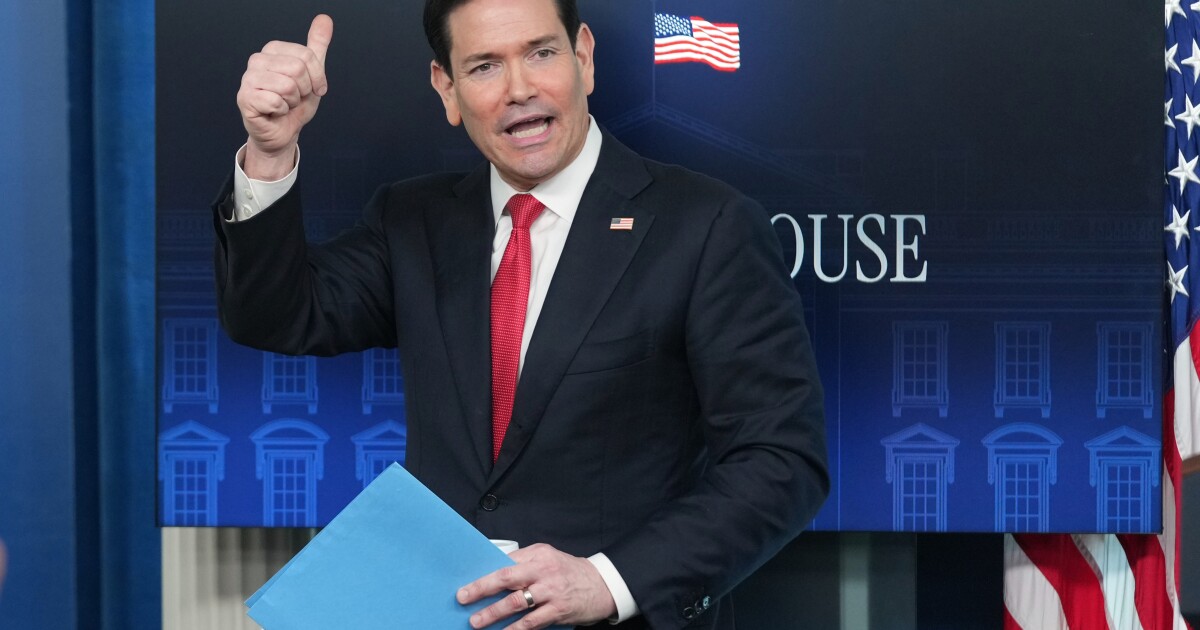
Analysts have noted that Rubio and Trump appear to be eyeing a similar course of action in Cuba that they manufactured in Venezuela.
Drones, an Indictment, and a Diplomatic Ultimatum
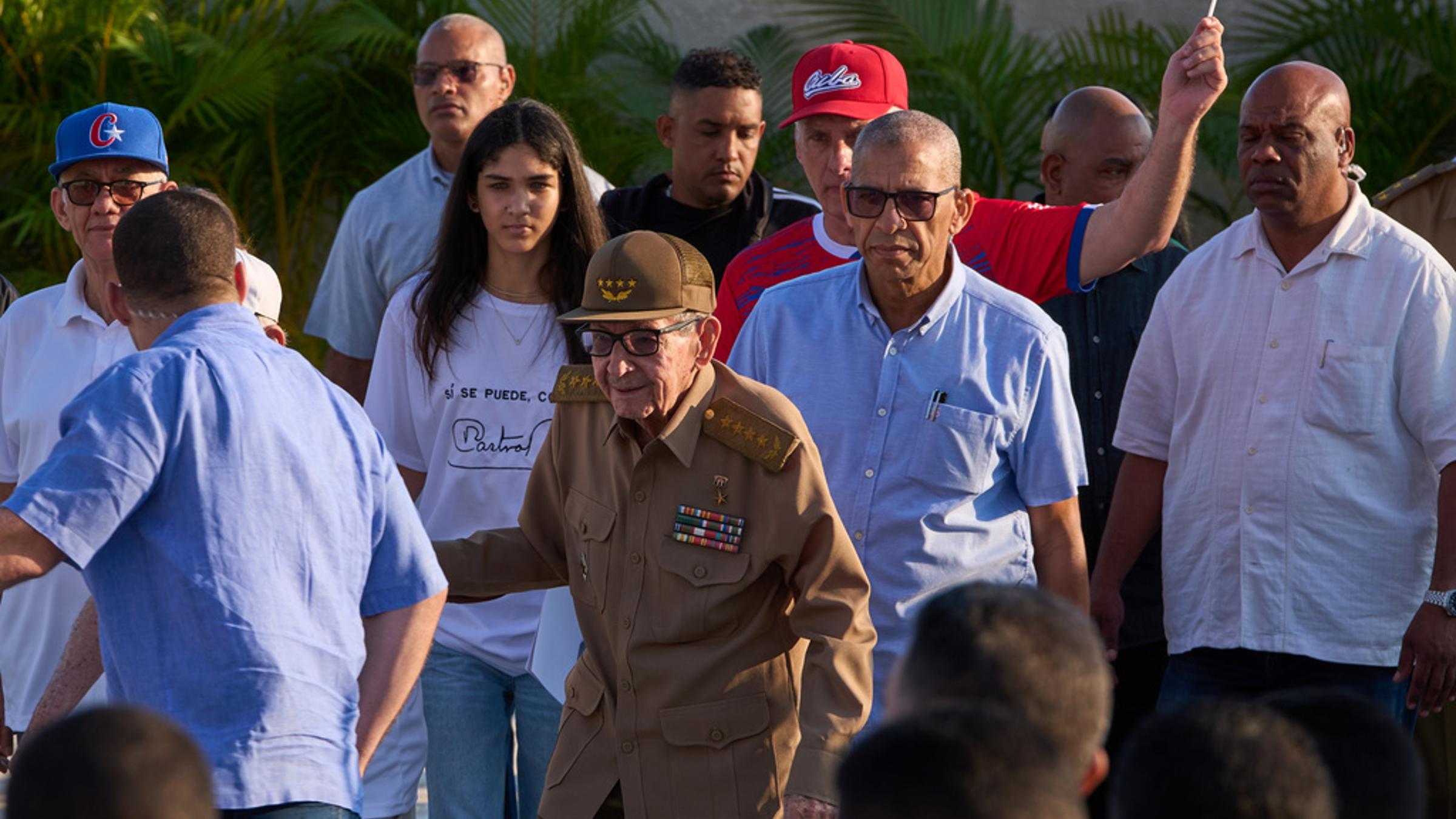
As Cuba’s lights went dark, Washington turned up the pressure. On May 20, notably Cuba’s Independence Day from Spain, the Department of Justice unsealed an indictment of Raúl Castro, Cuba’s 94-year-old former president and de facto leader, for ordering the 1996 shootdown of two planes flown by Brothers to the Rescue, a Miami-based exile group, in which four pilots were killed trying to help Cubans immigrating through the Straits of Florida.
The charges are an attempt to give the Trump administration a legal pretext to pursue Castro in the same manner the U.S. pursued Maduro — a point not lost on either side. The indictment is widely seen as further pressure on the Cuban regime to make a new deal with the U.S., while making clear that military action is now an option if Trump chooses it.
Just days before the indictment was unsealed, an Axios report citing U.S. intelligence officials added a more alarming dimension to the equation, claiming Cuba had acquired 300 new military attack drones, while also alleging Cuba has plans to attack the U.S. naval base at Guantánamo Bay, U.S. military vessels, and even possibly Key West, Florida.
Cuban officials dismissed the claims as fabricated by the U.S. in order to have a justification for war or military action, and even some U.S. voices were skeptical, noting that while Cuba may have acquired drones for defensive purposes, the idea that it would start a suicidal war with the U.S. strains credibility.
CIA Director John Ratcliffe also traveled to Havana last month, telling Cuban officials the Trump administration was offering “a genuine opportunity for collaboration,” while cautioning that it would not remain open indefinitely. Cuban officials maintained that the island does not pose a national security threat to the U.S.
The Nimitz Moves In
The most visible signal of where things stand came on May 21, when the U.S. Navy announced what many in the region had been dreading. The USS Nimitz and its strike group — including Carrier Air Wing 17, the guided-missile destroyer USS Gridley, and the replenishment oiler USNS Patuxent — officially entered Caribbean waters, with U.S. Southern Command declaring the carrier strike group the “epitome of readiness and presence.” The timing was no accident.
The Nimitz’s arrival coincided directly with the Justice Department’s unsealing of charges against Castro, and the New York Times reported, citing an American official, that the carrier was expected to remain in the area for several days as a show of force. Cuba’s President Miguel Díaz-Canel, who has been mobilizing civilians for military training, responded defiantly.
On May Day, he declared, “We are ready – and I say it with a profound conviction that I have shared with my family – to give our lives for the revolution.” Trump himself joked to reporters that the Navy would attack Cuba after completing its operations against Iran, while Rubio has repeatedly called Cuba a “failed regime.”
Where this ends is unclear. U.S. officials have declined to confirm any imminent invasion, but intelligence experts say Washington is bracing for an eventual collapse of the regime, given Cuba’s deteriorating economic and humanitarian situation. For now, the administration appears to be using every tool short of military force — fuel starvation, criminal indictments, carrier deployments, and a CIA ultimatum — to force a reckoning in Havana.
Whether Cuba blinks or whether the Trump administration decides that pressure alone is not enough will determine whether Cuba becomes the target of Washington’s next military intervention.
Caroline Val is a Miami-based journalist and news producer whose work has appeared in Business Insider, Teen Vogue, Hulu, ABC News, Miami New Times, and more.
The Latino Newsletter is a 501(c)(3) nonprofit organization, and just turned 2! Help us with our birthday campaign by giving here.
And Now a Word From Our Sponsor
Take control of your chaotic inbox

Spam. Promotions. Phishing links. A messy inbox is more than annoying. It’s risky.
Proton Mail shields your inbox from invasive tracking and junk clutter by default. No creepy ad sorting. No surveillance. Just clean, simple organization designed to protect your focus.
You shouldn’t have to fight your email to find what matters. Proton Mail keeps your inbox safe, private, and easy to manage — so you can stay productive, not distracted.
What We’re Reading (and Watching)
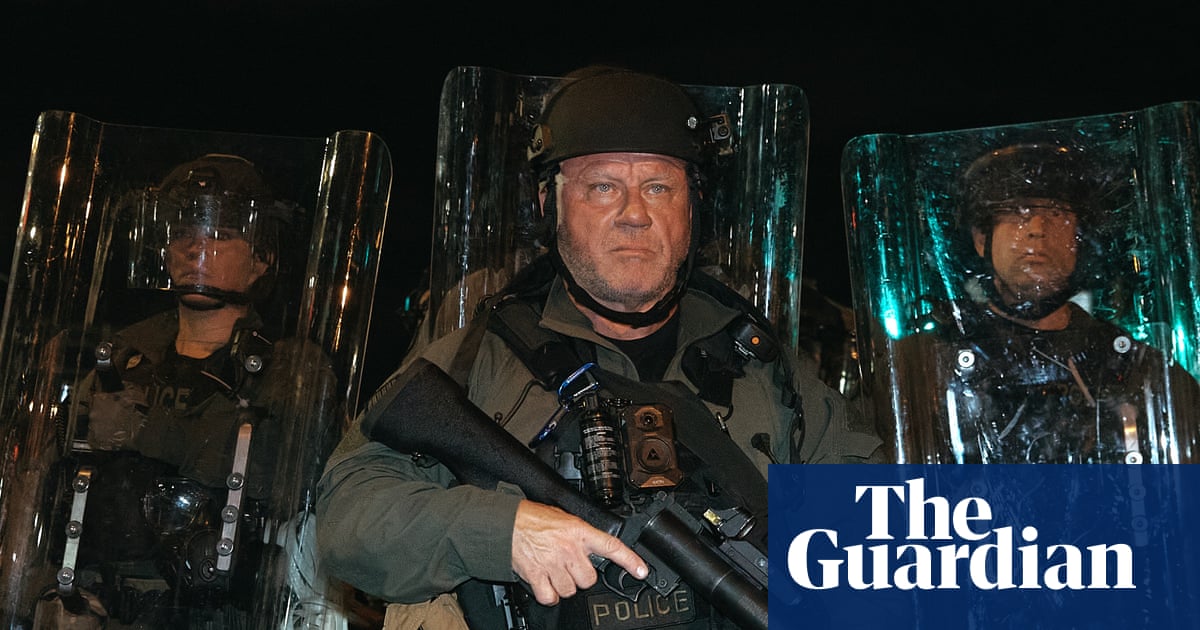
Delaney Hall Arrests: Via the Guardian, “Officials in New Jersey said on Monday that several protesters were arrested overnight for defying a curfew at Delaney Hall, the Newark immigration detention center that has seen more than a week of chaotic and often violent clashes.” All this is happening as the Guardian notes, “Delaney Hall detainees have been engaged in hunger and labor strikes against conditions at the center, and the temporary suspension by government officials of visitation rights for their families.”
Protests Calling for González-Colón’s Resignation: English-language media in the United States had zero coverage of the protests in Puerto Rico calling for the resignation of Governor Jenniffer González-Colón this past weekend. Most of what I followed happened on social media since our bureau is closed on weekends, and from what we can tell, crowds didn’t exceed 100 people each day. The following videos about the protests are from Telemundo Puerto Rico.
Julio Ricardo Varela edited and published this edition of The Latino Newsletter.
Consider donating to The Latino Newsletter. Any contribution, no matter how small, helps keep this newsletter free and accessible to all. ¡Gracias mil!