

Peter Schiff on The Iced Coffee Hour podcast. Source: The Iced Coffee Hour
Opinion for The Latino Newsletter
Versión en español aquí.
SAN JUAN — Peter Schiff, a Connecticut-born American and controversial beneficiary of Puerto Rico’s fiscal paradise, recently created a social media storm by claiming he is “100 percent Puerto Rican” during an interview.
His justification? He has lived on the island for over nine years, and his children are growing up here.
Predictably, the backlash to Schiff’s comment was swift — especially after his response on Twitter (now X), claiming that, if he identified as a Puerto Rican woman, no one would question his gender identity. Boricuas had choice words for him, “freeloader” and “colonizer” being among the kindest.
Schiff seems to have trouble grasping a simple truth: that living somewhere doesn’t define your identity. If it did, I’d have a posh accent, a house in the Cotswolds, and answer to Pippa because I spent 17 years in England working and raising my daughter.
He also fails to understand that being Puerto Rican is not something you can acquire through a tax break and a mansion. Our identity — whether you were born here or have deep family roots — is woven into our cultural traditions, our Spanish, African, and Taíno heritage. Our shared experience of colonization and the Spanish language bond us together, a language Schiff admitted on social media he speaks “just a little,” even after nearly 10 years.
Being Puerto Rican is an extreme sport. We have already endured decades of colonialism, years of economic hardship, and devastating natural disasters. Now we must fight a gentrification that makes many of us feel like strangers in our birthplace. Despite it all, we have never lost sight of who we are.
Yet, regardless of how absurd Schiff’s assertions are, his sense of entitlement does raise an important question. Who is Puerto Rico for: wealthy outsiders or Puerto Ricans themselves?
The Privilege of Act 22
In 2017, Schiff relocated his asset management firm, Euro Pacific, and himself to Puerto Rico, seeking tax breaks under Acts 20 and 22. At the time, Act 22 allowed foreign investors to avoid taxes on capital gains and passive income generated in Puerto Rico, and Act 20 set a 4% corporate tax rate for businesses. These incentives, now under Act 60, were recently amended to require foreign investors to pay a 4% tax on passive income.
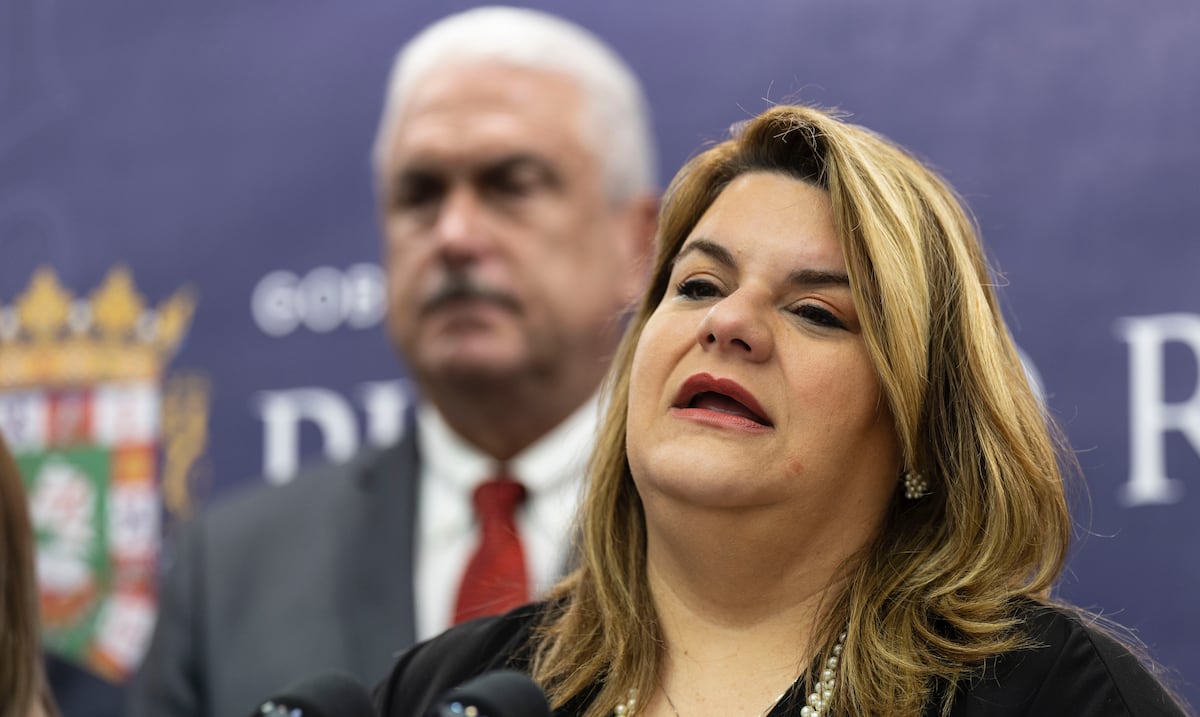
Meanwhile, most Puerto Ricans pay higher taxes, and the median household income is a little over $26,000.
“Puerto Rico is kind of a get-out-of-jail-free card. It’s one of the only places in the world, maybe the only place in the world, where Americans can go and be free,” Schiff once said when asked why he moved to the archipelago.
Nice hustle if you can get it. But not all has gone well for him.
In 2022, Euro Pacific Bank, a boutique firm owned by Schiff based in San Juan, was shut down by Puerto Rican regulators for having inadequate capital levels and compliance controls two years after it was investigated for suspected tax evasion and money laundering. Schiff ended up paying $300,000 in fines. Two years later, Schiff sued the Internal Revenue Service (IRS), Puerto Rican regulators, and others for an alleged conspiracy to shut down his bank and defame him. Though a federal judge dismissed the case, Schiff is seeking to reopen it based on IRS documents he obtained in a separate lawsuit.
Yet, through it all, government records show he has never lost his Act 22 privilege — the very thing he says lets him live here and makes him “100 percent Puerto Rican.”
’LO QUE LE PASÓ A HAWAii’
Schiff isn’t the only modern-day colonialist claiming a Puerto Rican identity. Ohio-born influencers and boxers Logan and Jake Paul do the same, especially if it means they can profit. When he fights, Jake wears the Puerto Rican flag and uses the moniker “El Gallo de Dorado,” named after the municipality where many the Act 22 beneficiaries have flocked to. During Bad Bunny’s Super Bowl show, Jake tweeted that the global superstar was a “fake American citizen,” drawing criticism from his boxing protégé Amanda Serrano and his brother (who had previously said he wasn’t excited about the show either).
That’s why Puerto Ricans need to ask ourselves: who is Puerto Rico for — us, or them? Because if we don’t, when Bad Bunny sings “LO QUE LE PASÓ A HAWAii,” we’ll have to smile sadly and admit that Hawaii is already here.
It’s history repeating itself. Schiff’s and others’ appropriation of Puerto Rican identity has a dark side to it. It reminds me of the wealthy sugar planters and business owners who colonized Hawaii. This group of non-native residents, known as the Committee of Safety, played a central role in annexing Hawaii to the United States. They decided the country’s future, and not the Hawaiians.
Now, colonial settlers are trying to claim our identity so that they can have a say in our future. Ironically, it was our own government — specifically, the pro-statehood Partido Nuevo Progresista (PNP) Governor Luis Fortuño — that enacted Acts 20 and 22 to “attract” foreign investment. Ironically, the PNP has cut its nose to spite its face. For tax break beneficiaries like Schiff, statehood would end their “get-out-of-jail-free card.”
Our identity is not for sale. Outsiders cannot roll the dice and claim us as if we were Boardwalk or Park Place in Monopoly. Puerto Rico is not a piece on anyone’s board, and we refuse to let others steal our culture or turn our home into a Temu version of Monaco in the Caribbean. It’s time to stand up and fight for who we are.
A former News Director for Univision Puerto Rico and conflict correspondent, Susanne Ramírez de Arellano is a Columnist for The Latino Newsletter.
The Latino Newsletter is a 501(c)(3) nonprofit organization. Help us reach our $100,000 goal to fund our podcast’s third season and to offer more opportunities for journalists to file their stories without paywalls or paid subscriptions.
What We’re Watching and Reading
Caught in the ICE Crackdown: From ProPublica and FRONTLINE, more than 300 protesters and bystanders were arrested on charges like interfering with law enforcement and assaulting an officer, only for the government’s cases to fall apart. The pattern has spread across the country as the Trump administration has cracked down on pro-migrant sentiment.
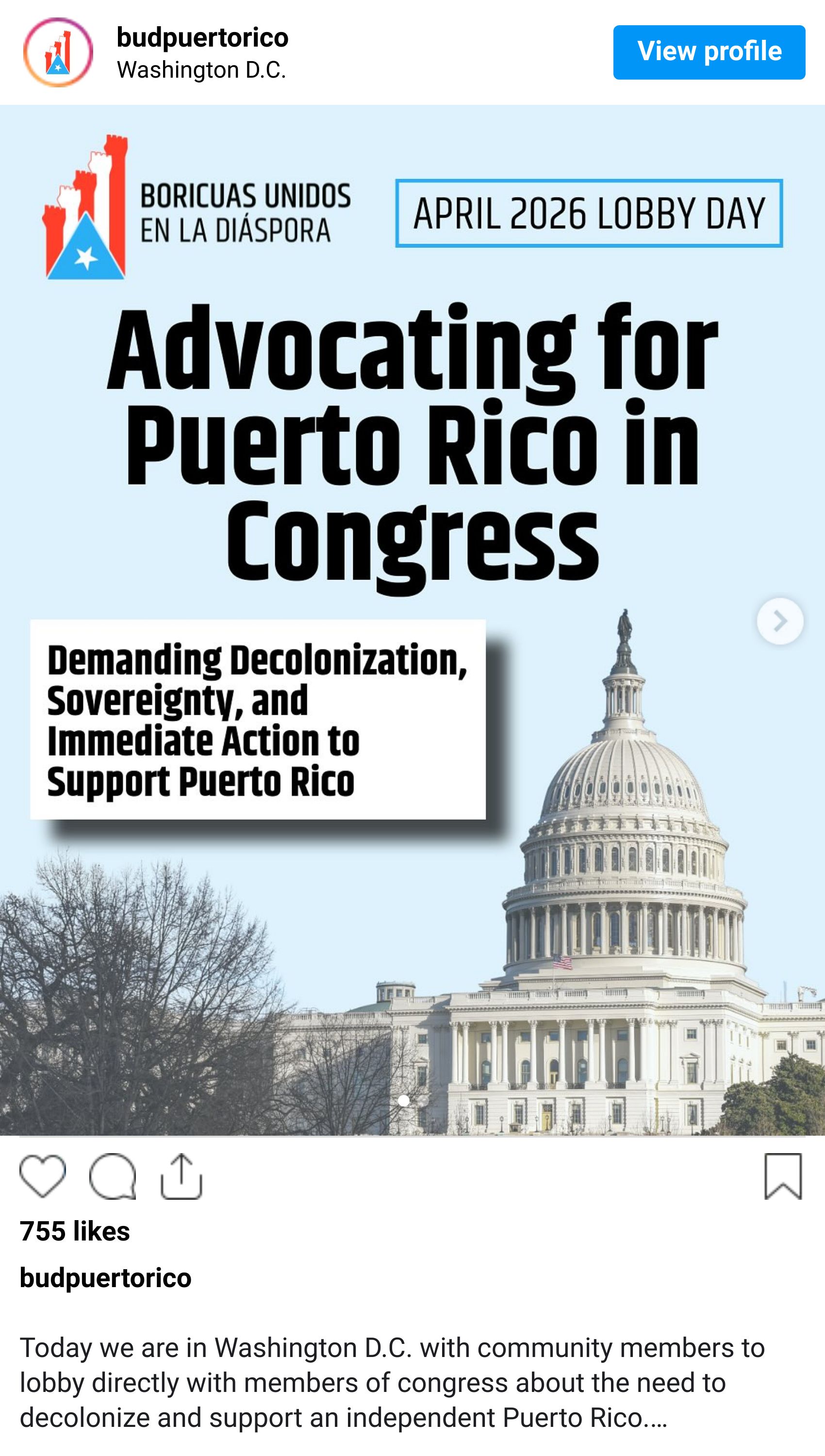
Boricuas on Capitol Hill: On Tuesday, Boricuas Unidos de la Diaspora had a lobbying day in Washington, D.C. to raise awareness and urgency about Puerto Rico’s political status.
‘Alligator Alcatraz’ and Alleged Abuse: From the Associated Press, guards severely beat and pepper-sprayed two detainees at “Alligator Alcatraz,” a state-run immigration detention center in Florida, according to their lawyer. The guards targeted the two detainees after they complained about not having phone access, per the lawyer’s court declaration.
Carlos Berríos Polanco edited and published this edition of The Latino Newsletter.
The Latino Newsletter welcomes opinion pieces in English and/or Spanish from community voices. Submission guidelines are here. The views expressed by outside opinion contributors do not necessarily reflect the editorial views of this outlet or its employees.